

















See More 
All About Rodrigues Island: A Must-Read for Visitors

Rodrigues is one of the lesser-known treasures of the Indian Ocean—and a proud autonomous outer island of the Republic of Mauritius.
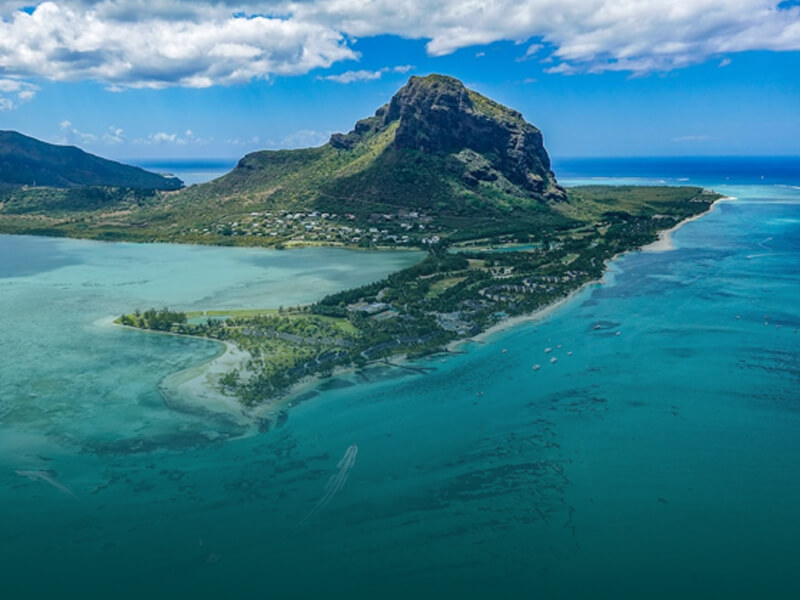
Located about 650 km to the east of mainland Mauritius, this small volcanic island may be modest in size, but it holds a world of charm and character. Surrounded by a shallow lagoon that’s almost twice its size and protected by coral reefs, Rodrigues offers a slower, more authentic experience than the bustling beach hubs of Mauritius.
.jpg)
From its rolling hills and quiet beaches to its rich Creole culture and warm hospitality, Rodrigues is a perfect escape for travellers seeking something a little more peaceful—and a lot more genuine.
Why visit Rodrigues?
Rodrigues is a destination for those seeking raw beauty and peace of mind. Its coral reefs, hilly terrain, lush greenery, and rugged cliffs make it ideal for nature lovers. The coastline stretches over 78 km, dotted with wild coves, serene beaches, and dramatic headlands waiting to be explored.
.jpg "Rodrigues Island")
Key Attractions include:
- Mont Limon – the highest point on the island at 395 m
- Île aux Cocos – a nearby islet known for its bird sanctuary and pristine waters
- A laid-back, welcoming atmosphere that appeals to honeymooners, families, and off-the-beaten-path travelers
Time moves slower here. It’s a place to pause, unwind, and reconnect with life’s simpler pleasures.
Rodrigues Island Tours & Activities
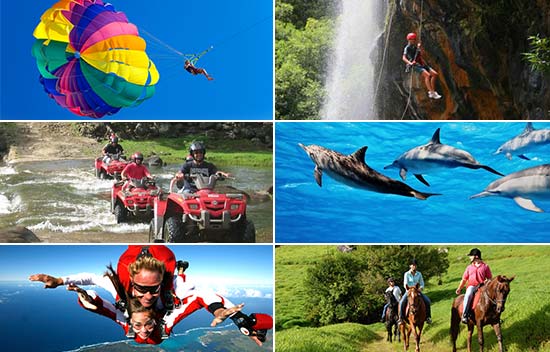
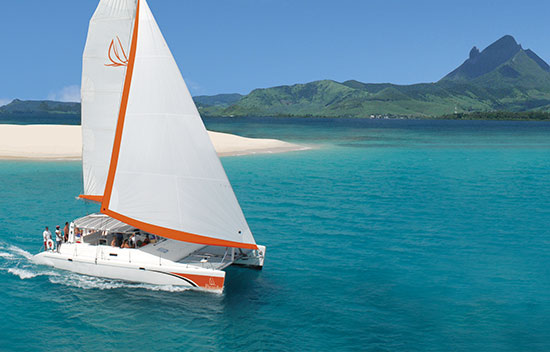
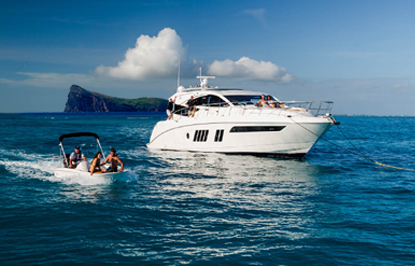
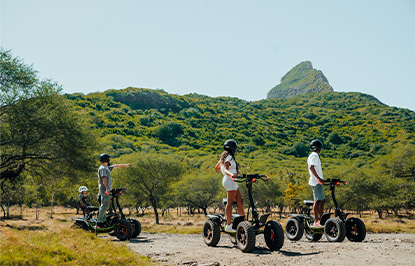
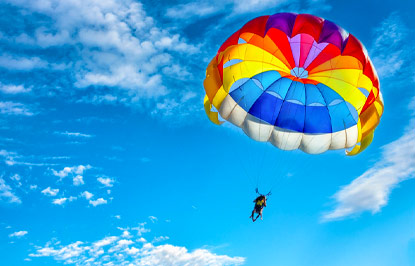
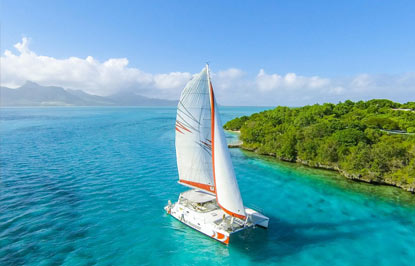
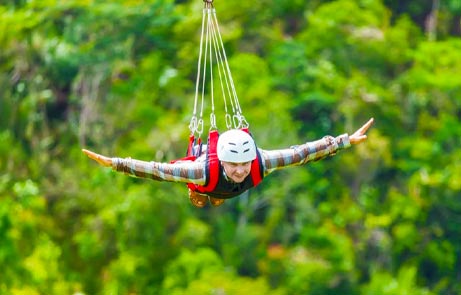
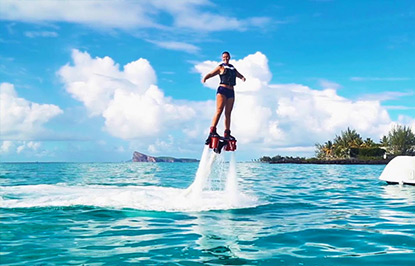
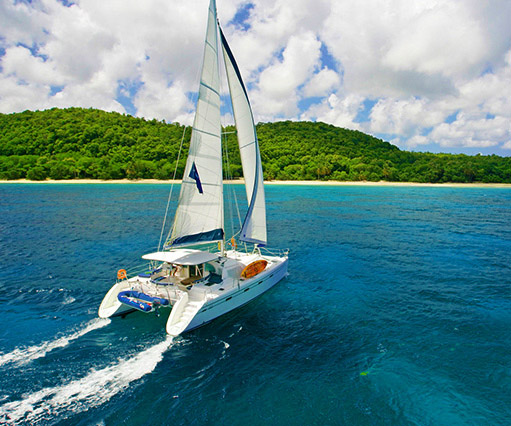
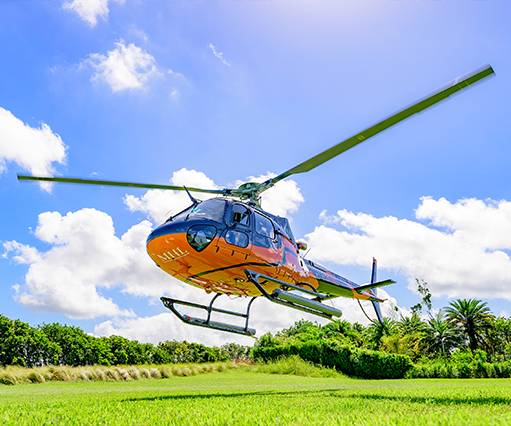
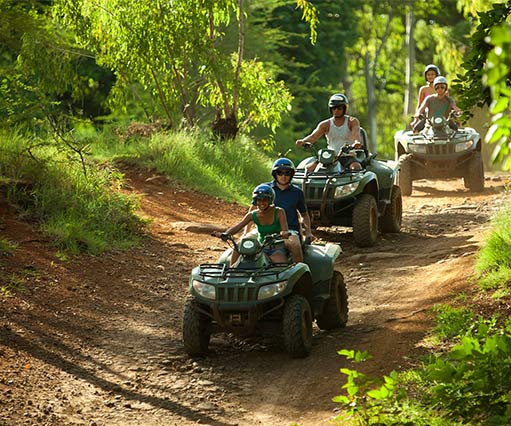
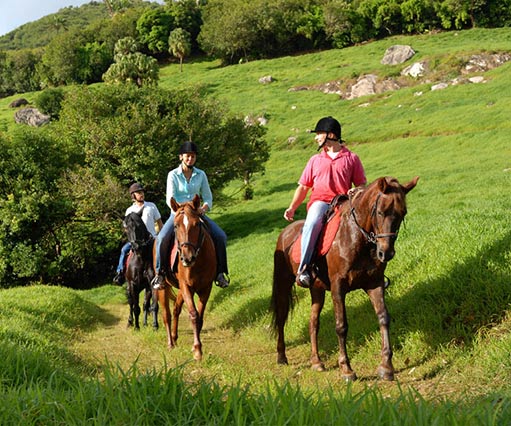
Discover the best of Rodrigues with activities for every kind of traveller. Enjoy lagoon cruises, zipline adventures, hiking trails, and cultural tours that let you explore the island’s natural beauty and local way of life.
Book here and start planning your Rodrigues adventure today.
.jpg "Rodrigues Island Tours & Activities")
Natural History & Biodiversity
Rodrigues was formed between 1 and 4 million years ago through volcanic activity on the edge of the Mascarene Plateau. Its geological origins gave rise to dramatic landscapes, a protective coral reef, and a lagoon that’s twice the island’s size.
Human discovery and settlement:
- Arab sailors were among the first to chart Rodrigues, with a 12th-century map by geographer Al-Idrisi clearly showing the island.
- In 1528, Portuguese navigator Dom Diogo Rodrigues gave the island its name.
- The Dutch began visiting in the early 1600s.
- In 1691, French Huguenot François Leguat attempted to establish a farming colony. Though the colony failed, the island was rich in tortoises, birds, and marine life.
- During the 18th century, the French brought African slaves to develop livestock and agriculture.
- In 1809, the British took control of Rodrigues and later abolished slavery, marking a major social and economic shift.
The island's long isolation also led to the evolution of several endemic species, including the Rodrigues fruit bat, fody, and warbler birds. While iconic species like the Solitaire bird and giant tortoise are now extinct, Rodrigues remains a haven for biodiversity. Its coral reef is home to a rare self-seeding coral found nowhere else in the world, and local conservation programs work actively to restore and protect its fragile environment.
The François Leguat Giant Tortoise and Cave Reserve plays a key role in reintroducing giant tortoises and restoring native flora.
Flora
Conservation of Rodrigues’ plant life is a top priority. Local communities are actively engaged in reforestation and the cultivation of endemic species. Several zones have been declared nature reserves, where visitors may spot:
- Vieille-fille
- Café marron
- Bois de mangue
- Bois pipe
- Bois de fer
Population & Culture
Rodrigues is home to approximately 38,000 people, primarily of Creole descent, with Malagasy and African heritage. The community is known for its simplicity, warmth, and deep-rooted traditions.

Religions:
- Predominantly Catholic
- Minority communities include Anglicans, Adventists, Assemblies of God, Hindus, Muslims, and Buddhists
Languages:
- English is the official language
- French is widely spoken
- Rodriguan Creole is the everyday language, influenced by French, Malagasy, and African roots, with traces of Indian and Asian influences.
Festivals:
- Chinese New Year
- Christmas
- Diwali
- Easter
- Eid ul-Fitr
- Holi
Economy

Rodrigues has a small, developing economy that depends heavily on support from Mauritius. Its main activities include:
- Tourism - the fastest-growing sector
- Fishing and livestock rearing
- Farming - especially onions, garlic, and chili
- Handicrafts - gaining value through tourism
Despite growing tourism, exports of seafood and crops remain limited, and imported goods are costly. Many residents rely on a mix of jobs and seasonal work to sustain their livelihoods.
Arts, Crafts & Entertainment
The island is renowned for its handicrafts, including woven baskets, shell jewelry, and handmade souvenirs. Visitors can watch artisans at work and take home unique local creations.
.jpg "Rodrigues Island Arts and Crafts")
The heartbeat of Rodrigues culture is the traditional Creole séga, a rhythmic barefoot dance often performed on beaches - far more spontaneous and soulful than commercial hotel shows.
Local Cuisine
Rodriguan cuisine is a rich blend of Creole, Indian, Chinese, and European traditions. Meals are centered around fresh seafood, local spices, and age-old recipes.
.jpg)
A typical buffet may include:
- Biryani
- Chicken curry
- Chinese pork
- Créole roast beef
- French-style vegetables
Signature Dishes:
- Octopus curry
- Mussel gratin
- Honey-glazed pork
- Konokono (shellfish) salad
- Steamed fish with smoked ham
- Corn-fed chicken with ginger
- Piments limon (pickled green lemon with chili)
Local Drinks & Desserts:
- Lassi (yogurt and ice-water)
- Alouda (milk-based drink with agar and syrup)
- Locally brewed beer and rum – strong and affordable
- Imported wines and spirits – expensive and hard to find
- Desserts: coconut and papaya pies, maize pudding, cassava and sweet potato cakes
Diving in Rodrigues
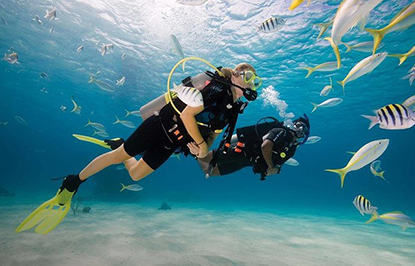
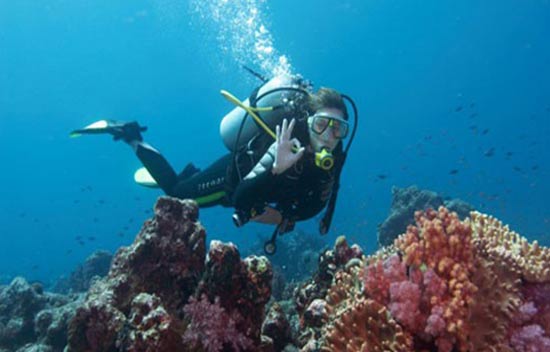
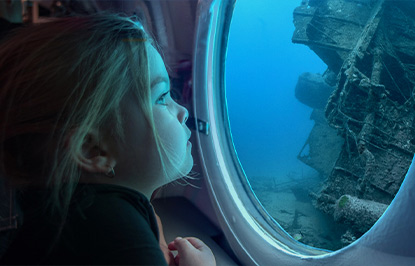
Rodrigues is one of the Indian Ocean’s best-kept secrets for diving. Its vibrant reefs, endemic species, and underwater formations such as caves and tunnels make it a favorite among divers.
.jpg)
What you can see:
- Bright corals and reef fish
- Tuna, sharks, kingfish, jackfish, barracudas
- Indian Ocean-specific marine fauna
Best Period for Diving:
- October to April (Summer): Ideal conditions and visibility. Suitable for diving both inside and outside the lagoon.
- June to September (Winter): Windy season. Diving is limited to the lagoon and fewer sites are accessible.
Île aux Cocos
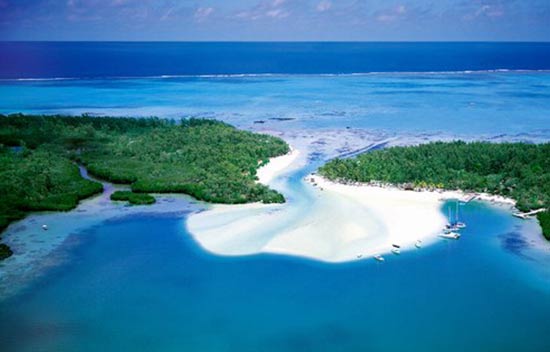
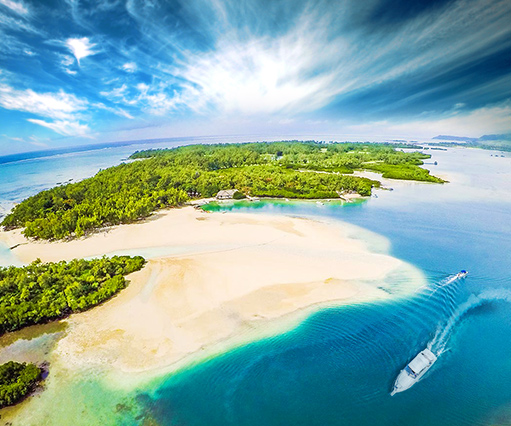
Only 4 km west of Rodrigues, Île aux Cocos is a nature reserve and top tourist attraction. This small island is covered in coconut and casuarina trees, with a long stretch of sandy beach and shallow, clear lagoon waters.
.jpg)
The boat ride itself is an adventure - passing over coral shallows and rock formations visible above the water. Once on the island, a guided walking path leads visitors through birdwatching zones, where up to 5,000 seabirds can be seen during the summer season.
Important:
Access is restricted to protect the ecosystem. Visitors must join an authorized tour. Some parts of the island are permanently closed to the public.
Climate and Best Time to Visit
Rodrigues enjoys a tropical climate with year-round sunshine and steady southeast trade winds. It’s generally drier than Mauritius.
Seasons:
- Summer (November - April): Hot and humid, 24 - 34°C
- Winter (May - October): Mild and dry, 16 - 27°C
Sea temperatures:
- Summer: 25 - 28°C
- Winter: 22 - 24°C.
Additional information:
- Time Zone: GMT+4 (winter) / GMT+3 (summer)
- Capital: Port Mathurin
- Visa Requirements: Not required for short stays by European Union, UK and South African citizens
- Getting There: Daily flights between Mauritius and Rodrigues operated by Air Mauritius
- Currency: Mauritian Rupee (MUR)
- Health & Safety: No malaria; tap water is safe to drink
- Electricity: 220V, same as Mauritius
- Population Density: Approx. 350 inhabitants per km²
- Status: Autonomous region of Mauritius
- Languages: Creole, French, English
- National Day: 12 March
- Local Newspapers: Le Vrai Rodriguais and La Voix du Peuple
Map
.jpg)