



















See More 
Smart Travel Hacks for a Worry-Free Trip

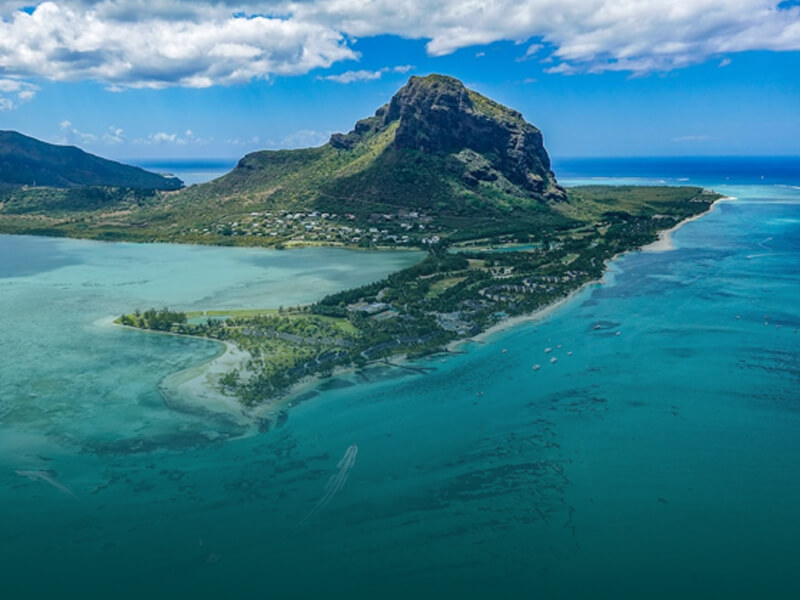
Mauritius is often seen as a dreamy beach escape, known for its turquoise lagoons and postcard-worthy shorelines. While the island is perfect for relaxation, it also offers much more - rich culture, scenic landscapes, and warm hospitality that caters to all kinds of travellers.
Why Travel to Mauritius?
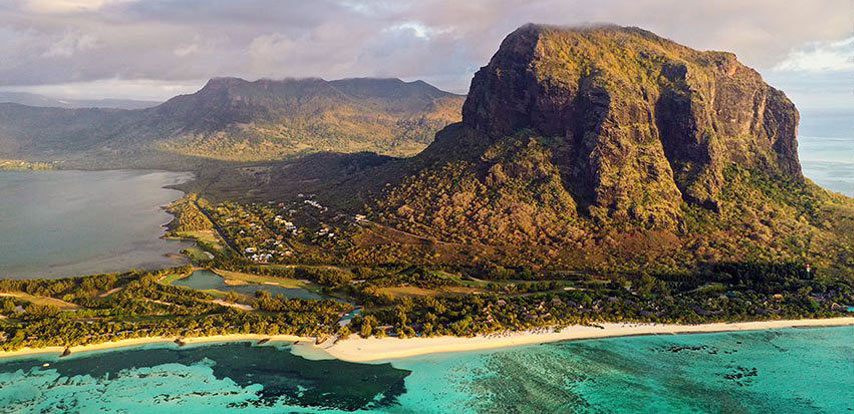
Mauritius stands out for its vibrant cultural mix, diverse communities, and flavourful cuisine. Whether you're after nature, adventure, wellness, or heritage, the island offers endless ways to experience something meaningful and memorable.
When to Go & What Weather to Expect
Mauritius enjoys a tropical climate year-round, making it a great destination in any season.
- Summer (Nov - Apr): Hot, humid, and ideal for beach holidays
- Winter (Jun - Sep): Cooler, drier, and less crowded
- Transitional months: May and October offer mild, pleasant weather
- Rainiest period: January to March, with occasional short-lived tropical storms
Best times by activity:
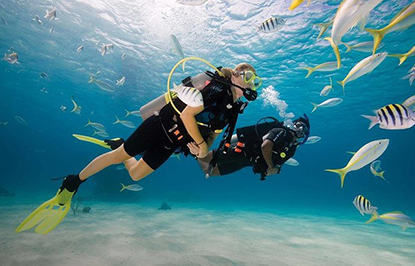
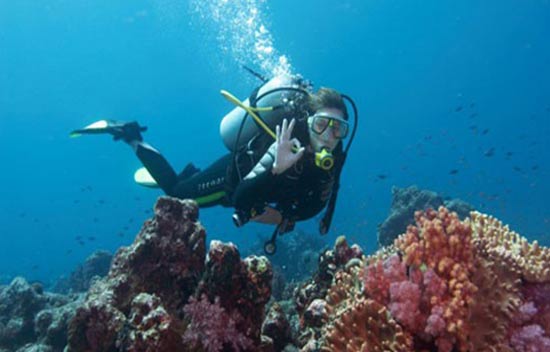
- Diving: December to March
- Surfing: June to August
- Big Game Fishing: October to April
The west and north coasts tend to be sunnier and more sheltered, while the east and south are windier and better for water sports.
Entry Requirements & Visas
To enter Mauritius, travellers must have:
- A valid passport (minimum 6 months)
- A return or onward ticket
- Proof of accommodation
- In some cases, proof of sufficient funds
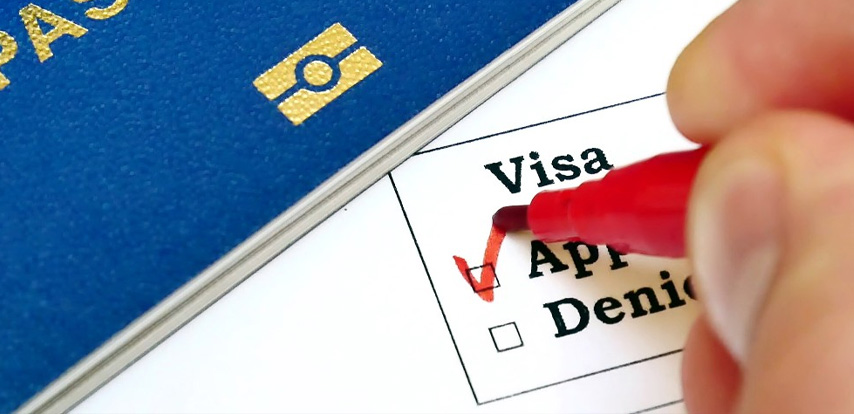
Visa Types Include:
- Tourist Visa - for leisure stays
- Business Visa - for short-term work travel
- Social Visa - for religious/cultural visits (up to 45 days)
- Transit Visa - for brief layovers (under 24 hours)
- Multiple Entry Visa - for foreign executives
- Medical Visa - for those receiving treatment in private clinics
Some nationalities are exempt from visas - always confirm your status before travelling.
Culture, Language & Religion
Most locals speak Creole in everyday life. English is the official administrative language, and French is widely used in the media and casual conversation.

Other languages spoken include:
- Bhojpuri
- Hindi
- Tamil
- Urdu
- Chinese dialects
The island is religiously diverse and proudly democratic. The main religions include:
- Hinduism
- Christianity
- Islam
- Buddhism
Currency & Tipping
Currency:
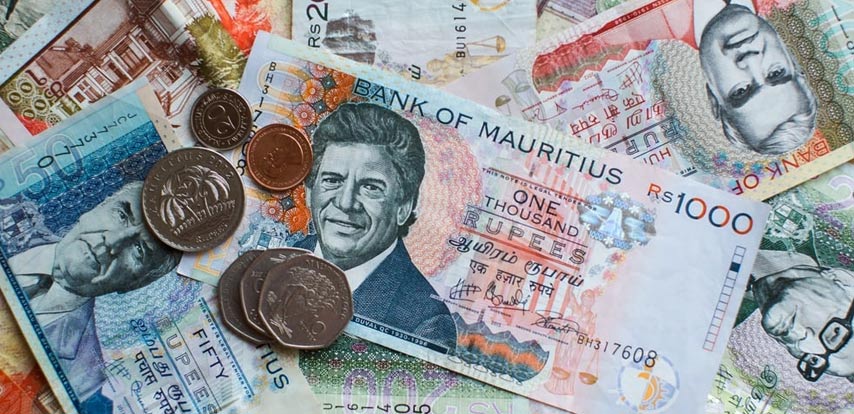
The Mauritian Rupee (MUR), symbolised as Rs, is the local currency. Coins range from 5 cents to Rs 20, and banknotes go from Rs 25 to Rs 2,000. Credit and debit cards (Visa, MasterCard, Amex, Diners) are widely accepted. ATMs are easy to find, but check with your bank for international transaction fees. Exchange rates fluctuate, so it’s best to check online before converting money.
Tipping:
Tipping isn’t required, but it’s appreciated for good service. Whether it's a guide, driver, porter, or waiter, a small tip is always welcome. There’s no fixed amount - just tip based on the service and your comfort.
Mauritius Beaches
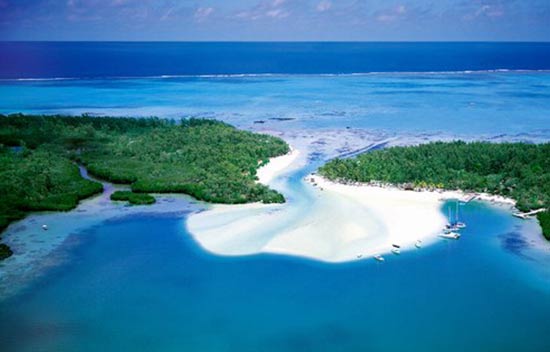
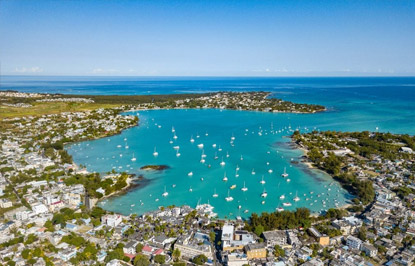
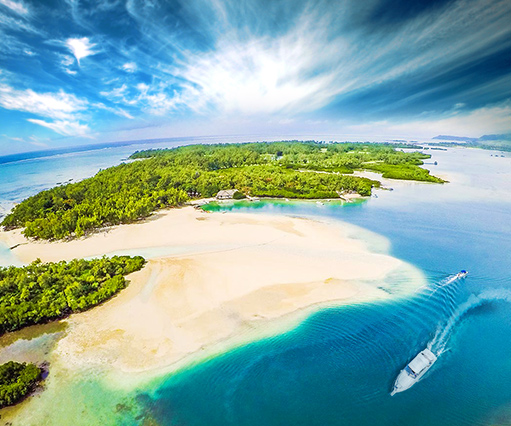
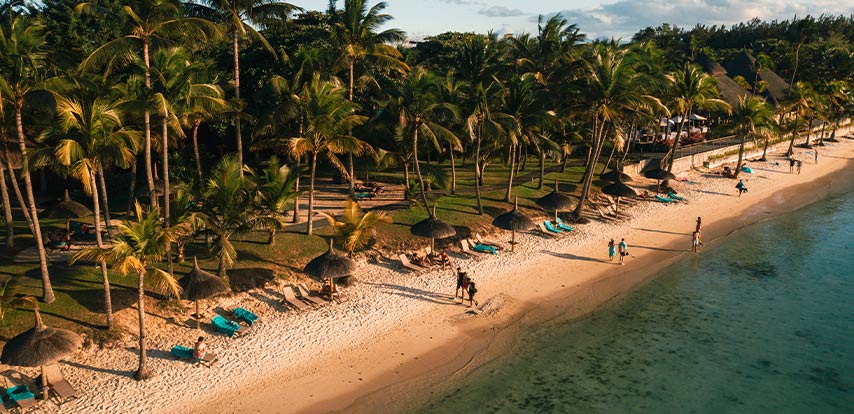
With over 330 km of coastline, Mauritius is home to countless white-sand beaches and calm lagoons. All beaches are public, including those in front of hotels or resorts.
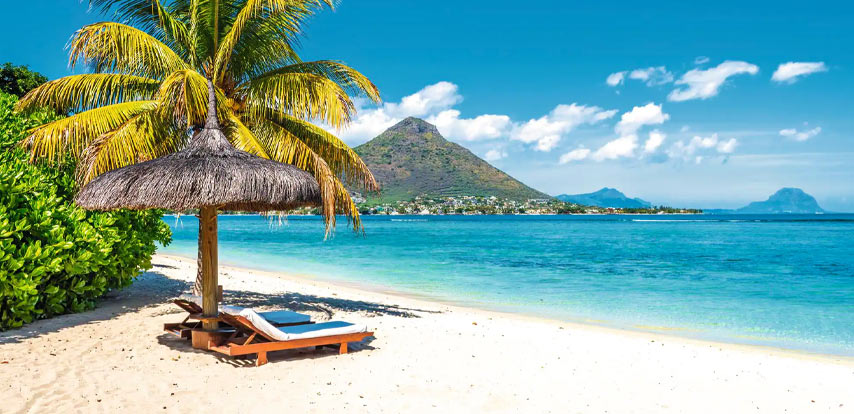
Popular Beaches by Region:
- North: Trou aux Biches, Mont Choisy, La Cuvette, Grand Bay, Pereybere
- East: Belle Mare, Blue Bay, Île aux Cerfs
- South: Gris Gris, St Felix
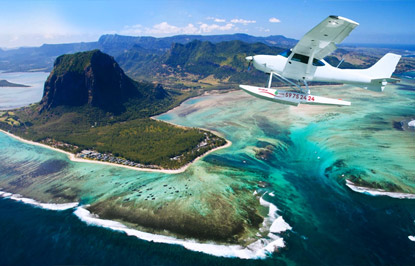
- West: Flic en Flac, Le Morne, Tamarin
Take care when swimming, as some beaches can be deep or have strong currents - especially for children. Nudism is not permitted anywhere on the island.
Safety in Mauritius
Mauritius is considered one of the safest destinations in the region. Crime is relatively low, but as with any country, basic precautions should be taken:
- Avoid displaying valuables in crowded areas
- Be cautious when using ATMs
- Don’t walk alone at night in unfamiliar areas
- Avoid interactions with beach or street hawkers
By staying alert and using common sense, you can enjoy a smooth, worry-free stay.
Getting Around Mauritius

Car rental is the most convenient way to explore at your own pace.
- Drive on the left-hand side
- Minimum age: 23 years
- Must present a valid foreign driving licence
Taxis are widely available and government-regulated. For longer distances, it's common to agree on a fare in advance.
Buses are the cheapest option but may not run on fixed schedules, especially outside urban centres. Always check with your hotel for current routes and timings.
Metro Express is a modern light rail system connecting Port Louis to Curepipe, with key stops in towns like Rose Hill and Quatre Bornes. It runs daily with frequent service, offering scenic views and easing road congestion across Mauritius.
What to Pack
Mauritius is laid-back, sunny, and beach-friendly - so packing is easy. Most of the year calls for light and casual clothing.
Essentials to bring:
- Lightweight, breathable clothes
- Swimwear, flip-flops, and beach cover-ups
- Smart casual attire for evenings (especially at hotels or restaurants)
- Long trousers and closed shoes (some resorts require them for men at dinner)
- Sunscreen, sunglasses, hat
- Insect repellent and a light jacket if visiting in the rainy season