




















See More 
Mauritius Language Guide
Mauritius is a naturally multilingual island, shaped by centuries of cultural blending. Most Mauritians grow up speaking two or three languages, switching between them with ease depending on the situation. This linguistic diversity is one of the island’s most unique and welcoming features.
A Multilingual Island
English
English is generally accepted as the de facto (used in practice) official language of Mauritius. It is the language of:
- Government and administration
- Courts and official documents
- Business and corporate communication
Most professionals, tourism staff, and public-facing services speak English fluently.
French
French enjoys strong cultural and social influence across Mauritius and is widely used in:
- Media (radio, TV, press)
- Education
- Everyday professional settings
Many Mauritians use French in both formal and informal conversations, and tourists will hear it frequently in hotels, restaurants, and shops.
Mauritian Creole (Kreol Morisien)
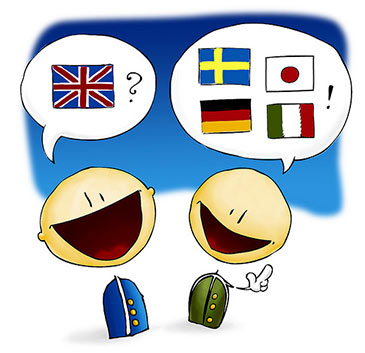
Mauritian Creole is the island’s most widely spoken language and the everyday way Mauritians communicate. Informal, expressive and used across all communities, visitors will hear it in conversations, markets, music and daily life.
In recent years, Creole has gained increasing formal recognition. It is now taught in schools, has a standardised dictionary, and the translation of the Universal Declaration of Human Rights into Kreol Morisien has been recognised by the UN. Ongoing linguistic research continues to refine the language, and some official documents - including selected court materials - have also been translated into Creole, marking a step toward wider institutional use.
Although still not the country’s official language, Creole continues to evolve and strengthen its place in Mauritian society.
Ancestral Languages
Due to the island’s multicultural origins, several other languages are spoken within communities and religious settings, including Hindi, Urdu, Tamil, Telugu, Marathi, Mandarin and others. While these languages enrich the cultural landscape, English, French, and Creole remain the main languages used by the general population.
How Languages Are Used in Daily Life
Mauritians effortlessly switch between languages depending on the context:
- Creole at home and in social conversations
- French in media, education, hospitality and many workplaces
- English for government, legal matters, business and tourism
For travellers, this means communication is extremely easy: almost everyone in the tourism industry speaks both English and French, and will happily help visitors with basic Creole phrases.
Basic Mauritian Creole Guide for Visitors
Learning a few words of Creole is a fun way to connect with Mauritians. The language is simple, phonetic, and warmly received when spoken by visitors.
Common Greetings
- Bonzour - Hello / Good morning
- Bonswar - Good evening
- Ki manier? - How are you?
- Mo bien, mersi - I’m fine, thank you
Useful Everyday Phrases
- Mersi - Thank you
- Eskiz mwa - Excuse me / Sorry
- Wi / Non - Yes / No
- Pa konpran - I don’t understand
- Kot… ? - Where is…?
- Komie sa koute? - How much does this cost?
At Restaurants & Hotels
- Mo anvi sa - I would like this
- Li bien bon - It’s very good
- Mo pa manz lavian - I don’t eat meat
Friendly Local Expressions
- Trankil - All good / No worries
- Nou ale - Let’s go
- Enn ti moman - Just a moment
These simple phrases make interactions smoother and give visitors a small but charming glimpse into Mauritian culture.