






















See More 
Discover Mauritius: Top 10 Historic Places to Explore

Mauritius offers much more than its stunning beaches and turquoise lagoons. Thanks to its rich history, the island boasts a vibrant culinary scene and a diverse cultural and religious heritage.
This paradise has a fascinating past, and understanding it will give visitors a deeper insight into the heart of the island.
Here are some of the best historical sites to explore - perfect for discovering Mauritius’ heritage, experiencing its culture, and tasting its unique local cuisine.
1. Aapravasi Ghat
A UNESCO World Heritage Site, Aapravasi Ghat marks the arrival point of over 450,000 indentured labourers after slavery was abolished. It was the first British colony to test this system, bringing workers from India, Southeast Asia, Eastern Africa, and Madagascar.
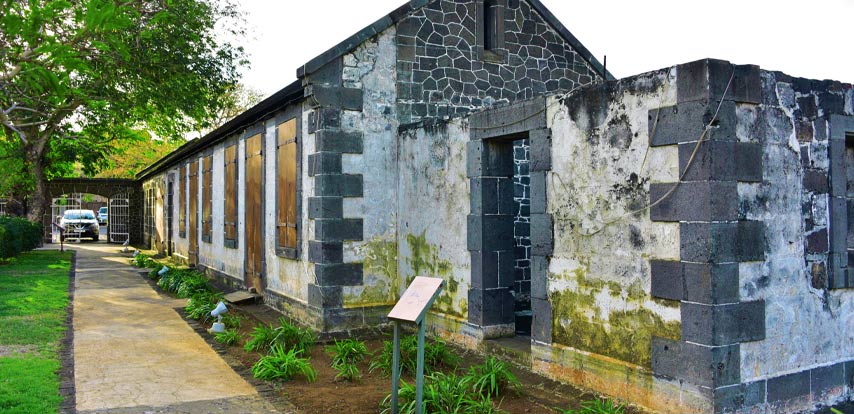
Built in 1849, the depot included housing, a hospital, and administrative offices. Immigrants were photographed, registered, and assigned work - all within these very walls. Though parts were lost to cyclone damage and demolition, key ruins remain.
Take a guided tour to uncover the stories that helped shape Mauritius’ cultural identity.
2. Baie de l’Arsenal (Arsenal Bay)
These ruins are the remains of a French military foundry that exploded in 1774, killing 300 enslaved workers. Once used to produce weapons and supplies, the site now stands as a stark reminder of Mauritius’ colonial past.
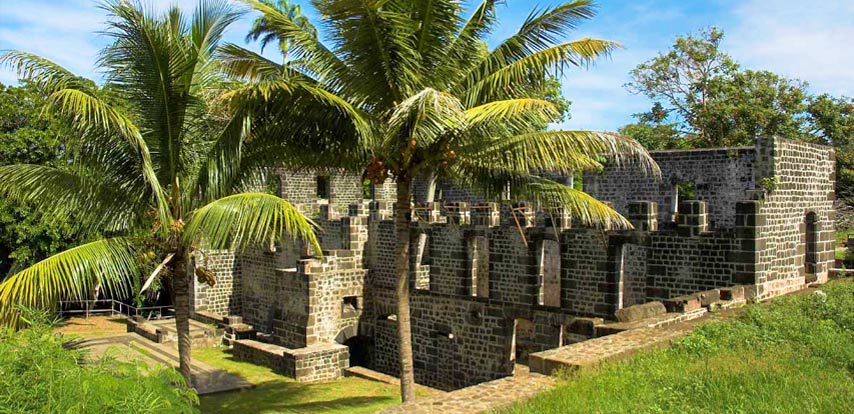
The original flour mills and lime furnace can still be seen. If you're staying at Hotel Maritim, access is easy. If not, ask security for permission to enter the grounds.
One of Mauritius’ lesser-known sites - but one of its most powerful.
3. La Route du Thé (The Tea Route)
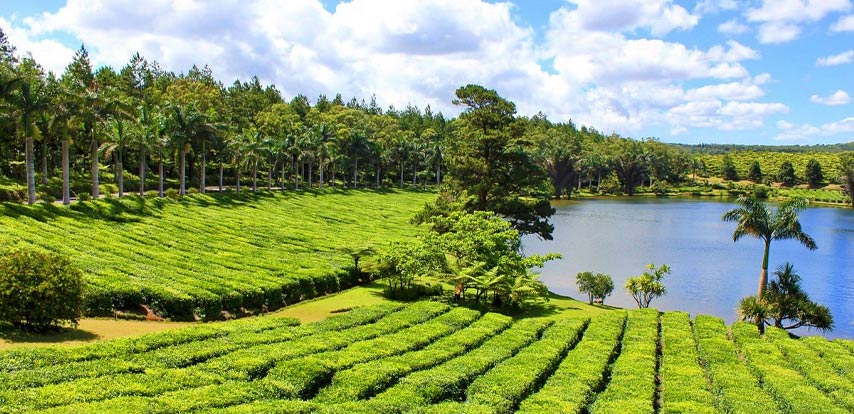
La Route du Thé is a three-part journey through Mauritius’ colonial and agricultural history - complete with tea, rum, and a taste of tradition.
Stage 1: Domaine des Aubineaux
A restored 19th-century colonial mansion featuring period furniture, vintage photos, and a distillery. Stroll through the floral park and camphor garden, then stop at the tea room surrounded by tropical plants and endemic species.
Stage 2: Bois Chéri
Home to the island’s iconic tea factory. Take a guided tour of the production process, visit the tea museum, then enjoy a tasting session in a panoramic chalet overlooking the south.
Stage 3: Saint Aubin
An 1819 colonial home turned restaurant serving traditional Mauritian meals. Explore the mini sugar factory, see how agricultural rum is made, and sample both the history and the drinks.
A mix of culture, flavor, and scenery - La Route du Thé is a must for anyone who wants more than just beach days.
Book the Complete Tea Route Tour
4. Saint Aubin House
Built on a 200-year-old plantation, Saint Aubin House is a standout for those exploring Mauritius’ colonial past. Once a working sugar estate, it now features a rum distillery, restaurant, botanical garden, mini farm, and anthurium greenhouses - all in one scenic spot.
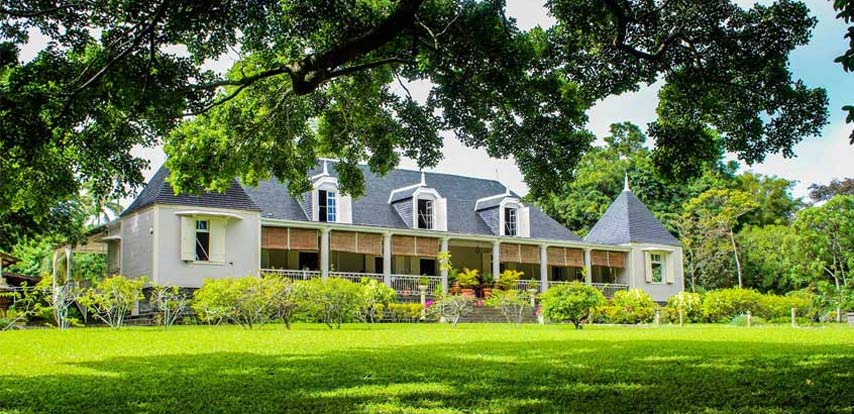
It’s also the third and final stop on the Tea Route, after Domaine des Aubineaux and Bois Chéri. The colonial house is officially part of the island’s architectural heritage - and a perfect photo opportunity.
Whether you're here for lunch, a stroll through the gardens, or a sip of rum, Saint Aubin offers something for everyone.
Book your visit and step into a living piece of Mauritian history.
5. Beau Plan Sugar Mill (L'Aventure du Sucre)
After 177 years of sugar production, Beau Plan shut down in 1998 and was transformed into L’Aventure du Sucre, one of Mauritius’ best museums. It tells the story of the island’s sugar industry - deeply tied to colonization, slavery, and economic change.
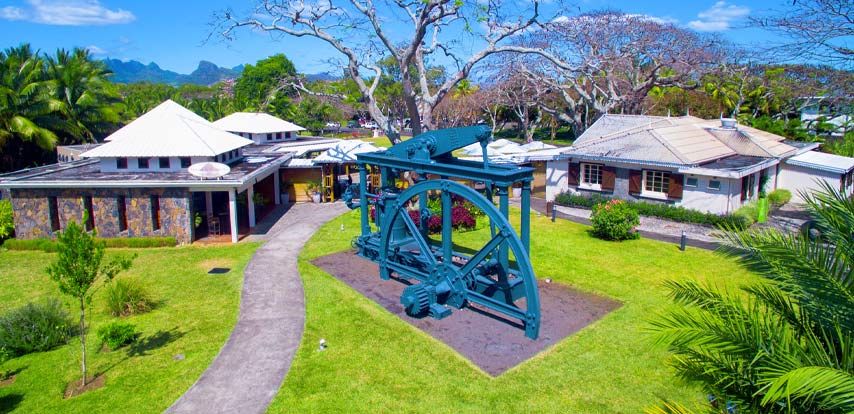
Original machinery, two vintage locomotives, and a restored wooden barge are all part of the exhibit. The museum walks you through centuries of sugar production, from early cane farming to global exports.
Finish your visit with sugar and rum tastings, lunch at the on-site restaurant Le Fangourin, and a stop at the gift shop for locally made treats.
Book your visit and explore the bittersweet history of Mauritius - through sugar, stories, and rum.
6. Martello Tower
Built by the British in the 1800s to defend Mauritius from potential French attacks, this 10-meter-high circular tower now serves as a military history museum - complete with copper cannons capable of firing up to 2 km.
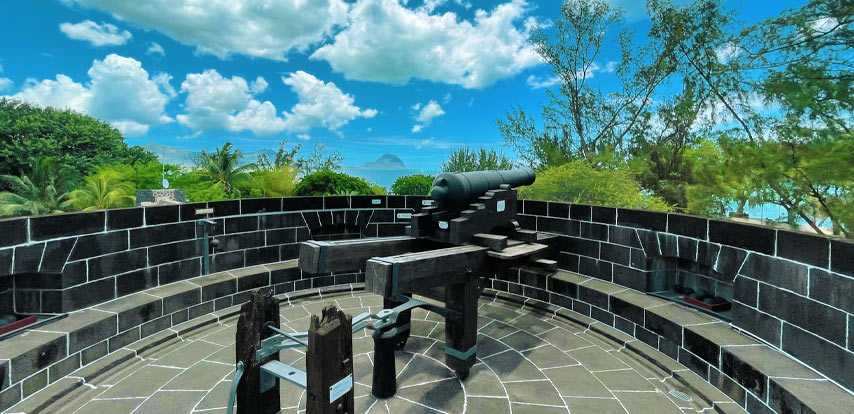
Set on the beach at La Preneuse, the tower offers a glimpse into the island’s colonial past, with guides on hand to explain its design, function, and strategic importance.
Compact but packed with history, it’s a must-visit for anyone into forts, old weapons, or just dramatic ocean views.
Step inside and see how Mauritius once stood guard.
7. Eureka House (Maison Eureka)
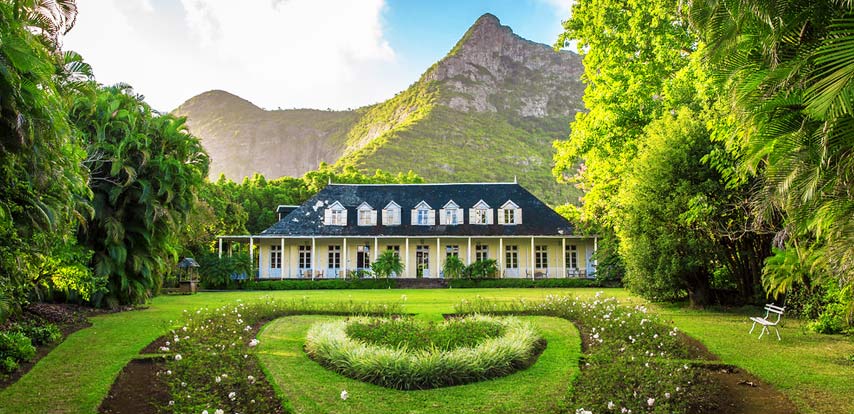
Built in the 1830s, this restored Creole mansion offers a vivid look into Mauritius’ colonial past. With 109 doors, cool interiors, and a collection of antiques, maps, and period furniture, the house feels like stepping into another era.
The grounds include stone cottages once used as kitchens and servants’ quarters, along with lush gardens and a short trail leading to a scenic waterfall.
A peaceful, history-packed escape for anyone curious about plantation life - or just looking for a photo that doesn’t involve the beach.
Book your visit to Eureka House (Maison Eureka) and wander through a real slice of 19th-century island life.
8. Le Morne Brabant
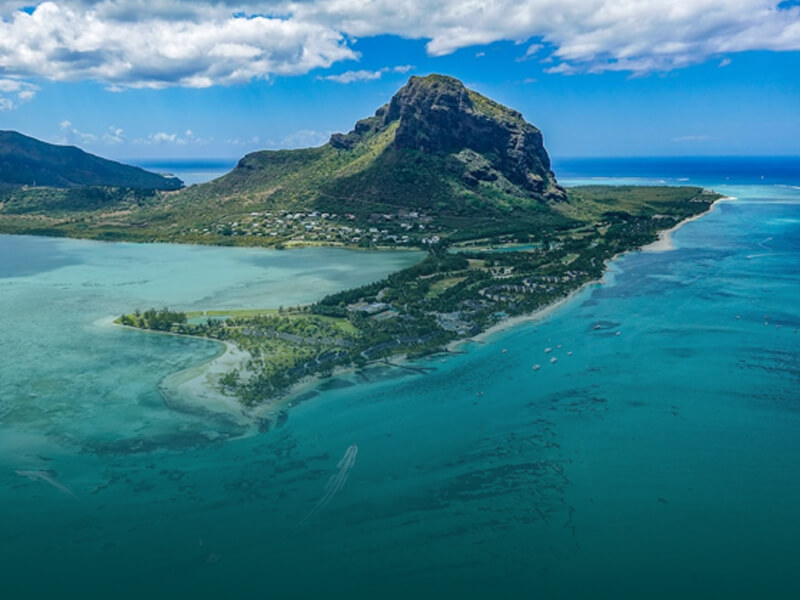
Once a refuge for escaped slaves, Le Morne Brabant stands as a powerful symbol of freedom and resistance. Today, this dramatic peak is a UNESCO World Heritage Site and one of the most meaningful places on the island.
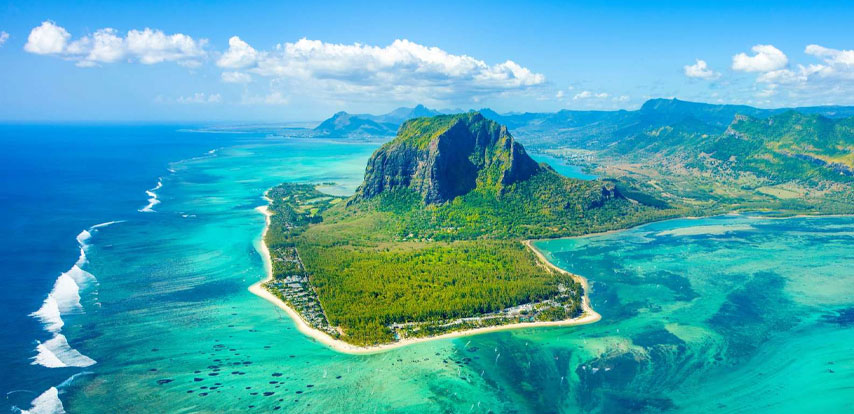
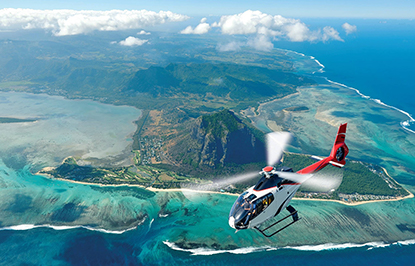
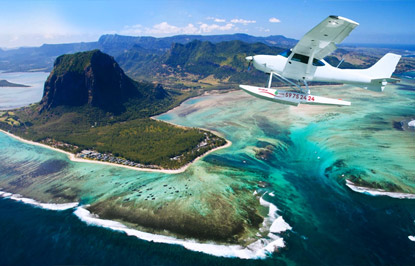
The 7 km hike to the summit takes about 3 - 4 hours and offers stunning views of the southwest coast - including the famous "underwater waterfall" illusion best seen from above.
The climb is challenging but worth it, both for the views and the history that echoes through every step.
Book the Half Day Hike at Le Morne Brabant and experience one of Mauritius’ most iconic landmarks.
9. Matthew Flinders Monument
This monument at Baie du Cap honors English navigator Matthew Flinders, who was famously detained in Mauritius for six years after unknowingly sailing into a French-controlled island during wartime.
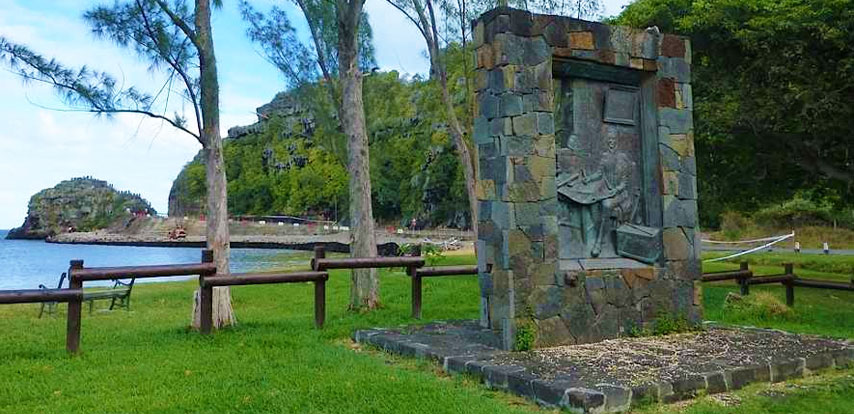
Unveiled in 2003, the bronze statue depicts Flinders in a sparse stone room, accompanied by a compass, his chest, a flute, and his loyal cat, Trim. It marks the 200th anniversary of his arrival on the island - a moment that turned into an unexpected chapter in colonial maritime history.
A quiet but fascinating stop for history lovers - especially those into tales of exploration, mishaps, and one very patient cat.
Visit the monument and discover one of history’s most unlikely detours.
10. Citadel Fort (Fort Adelaide)
Built in the 19th century by the British, Citadel Fort sits 100 meters above Port Louis and offers sweeping views of the city and harbor. Named after Queen Adelaide, it was designed by Colonel Cunningham as a defense post - complete with an underground tunnel to the port.
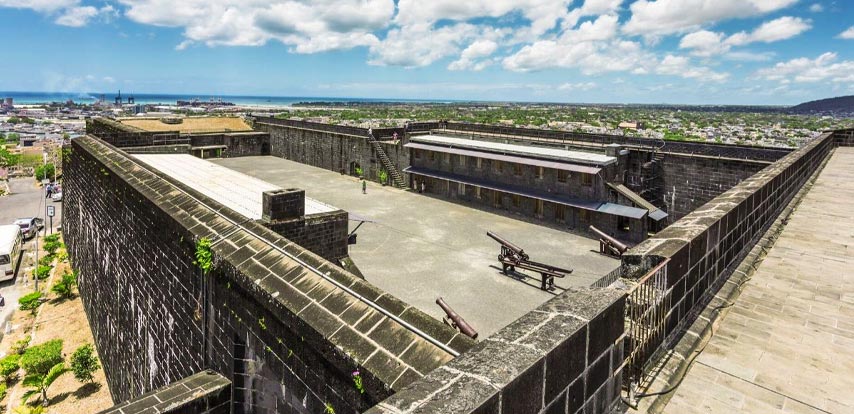
Constructed with the help of Indian and African laborers, its weathered black stone walls still stand strong. Unlike the other British forts of the era, this one survived - and is now a National Monument.
A favorite for both history fans and photographers, the fort overlooks Caudan Waterfront and the Indian Ocean.
Book the Mauritius North Tour and explore one of the island’s most iconic viewpoints.
Tailor Made - Mauritius Historical Places
Prefer to explore at your own pace? Create a tailor-made Mauritius heritage tour and select the historical places you’d like to visit with the Mauritius Tour Package Planner.